On Monday, April 21, 2025, much of the world awoke to the news that Pope Francis had passed away. The Pope had been ill during the months leading up to his death. However, he did appear before thousands of the faithful in St. Peter’s Square on Easter Sunday, giving a short message from the Vatican and greeting crowds from his “Popemobile” as it circled the gathered crowd.
Image Source: AP Photo/Andrew Medichini
Whenever a Pope dies, a period of mourning and official procedures begins. The time between the death of a Pope and the selection of his successor is called the “Sede Vacante,” Latin for “The seat is vacant.” The first task is to seal the Papal apartment with a red ribbon and a wax seal. Next is his ring, a signet with an embossed fisherman, which every Pope receives when selected. The “Camerlengo” of the Vatican, a Cardinal overseeing the Holy See management and the election of a new Pope, destroys the ring with a ceremonial hammer. Kevin Farrell, an American Cardinal of Irish descent, is the current camerlengo and has begun the process. Sealing the apartment and destroying the ring was initially meant to prevent fraud and forgery of Papal documents, but it is a symbolic gesture in modern times.
COLLECTING HIS HOLINESS
While the Pope is the spiritual leader of the world’s 1.4 billion Catholics, he is also a global political figure, often visiting other countries and calling for peace, justice, and equity for the poor and marginalized. Visitors to the Vatican can purchase all kinds of souvenirs of the visit, from postcards to tea towels, many with the Pope’s image on them. In 2017, Vatican leaders realized that no intellectual property protections existed on the Holy Father’s image and likeness. While it wasn’t clear initially what kind of enforcement there might be, the fact that factories could mass-produce souvenirs quickly led to the move to protect the image of the Papacy.
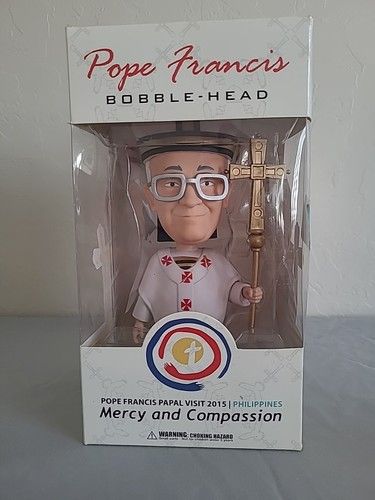
Because whoever serves as Pope is such a well-known figure and Vatican City, which covers only 100 acres, welcomes six million visitors yearly, there are thousands of available souvenirs and Papal-themed gifts. In addition to the official stores in the Vatican and the museums, dozens of shops and vendors are in the area. In the summer of 2025, the Vatican will celebrate a “Holy Year,” also called a Jubilee. The Jubilee is designated every 25 years and is a massive tourist draw.
Father Brian Cummings, Society of Saint Edmund, is on sabbatical in Rome and was in St. Peter’s Square during the Pope’s “Urbi et Orbi” message to the city of Rome and the world, and in a statement on the Saint Michael’s College Alumni Facebook page said, “Once I confirmed the Pope had died, I immediately walked the short distance to St. Peter’s where I celebrated Mass with a large group of pilgrims from around the world. I spent a couple of hours greeting people grieving the loss of the Pope. The mood was somber, and the Basilica was much quieter than usual despite the large number of jubilee pilgrims entering through the Holy Doors.”
The Church bills the Jubilee as a year of reconciliation and remembrance. Still, it’s also a celebration for families and tourists. This summer, there are a slew of events that organizers are now reevaluating as the Vatican prepares to say farewell to “Papa Francisco” and start the process of electing a new leader. The funeral, the conclave, and the Jubilee are a confluence of factors that will impact the sale of collectibles commemorating all those events and drive interest in some vintage and historical items related to the Papacy.
WHAT ITEMS MIGHT BE IN DEMAND?
Trinkets like tea towels, fridge magnets, and coffee cups are plentiful and unlikely to appreciate much in value. Still, other items like personally blessed rosary beads, historical documents, and ephemera like photos and magazines will be harder to find and likely cost more than other items.
Rosary beads are a popular gift that pilgrims and Vatican visitors purchase either for themselves or as gifts. Many popes have blessed large numbers of these rosaries over the years, so they are pretty affordable. It’s likely that there might be more interest in these in the next few months, but they are not particularly rare.
Autographs from the Holy Father are not a common item. There are sometimes letters or photos that were special gifts or messages from a Pope to someone like a President or other public figure, but overall, Popes are not known for signing autographs, although Francis did send a correspondent a signature after receiving a letter asking for one.
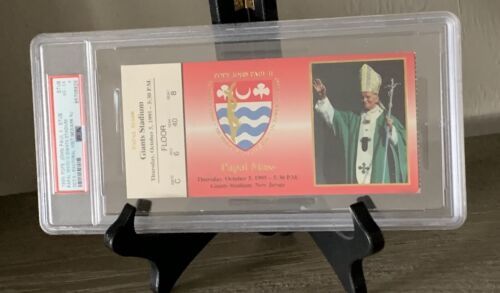
Event programs and other ephemera will probably see increased demand. When Pope John Paul II toured the US and Ireland in the fall of 1979, several cities held events like large public masses and programs, and ticket stubs for these events were popular with history buffs and collectors.
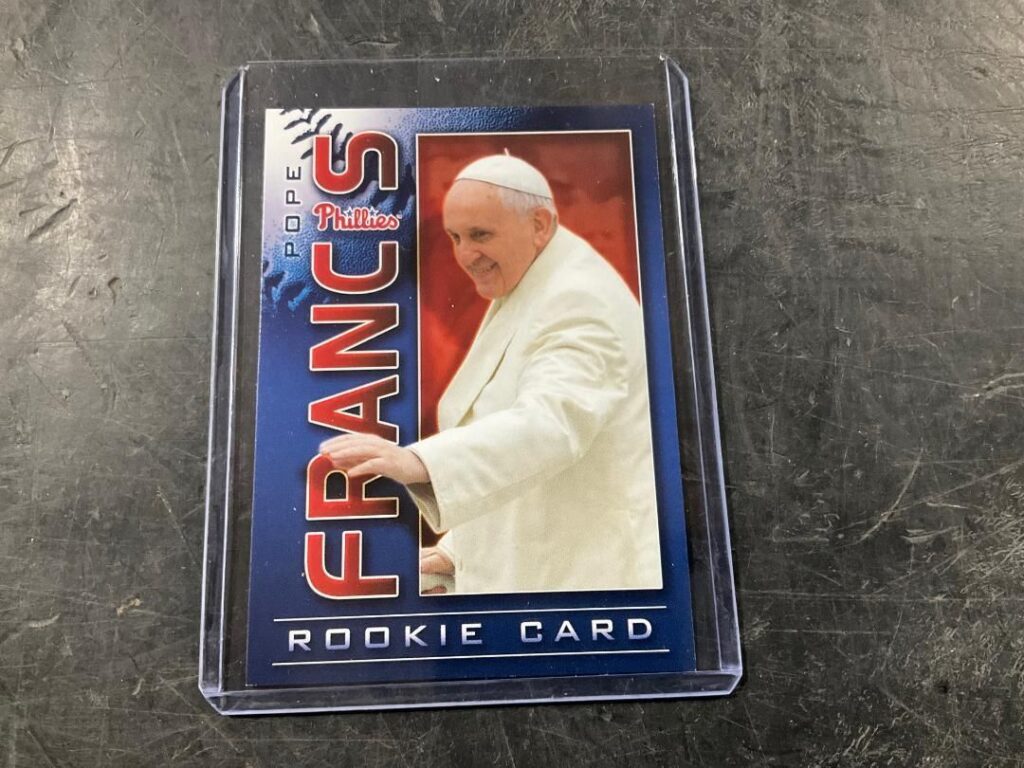
One genre of collectible that might surprise some is trading cards. Like sports heroes and Pokémon characters, Popes have appeared on trading cards. In 2015, when the Pope paid a visit to Philadelphia, hundreds of souvenirs were available. However, one of the most popular was a Phillies rookie card.
It might sound slightly off or somehow wrong, but Pope Francis was a trendsetter in many ways and a historical figure who millions will remember. There are collectors who like presidential items or items from royal families, so Vatican collectibles don’t seem like such a stretch. As the funeral and conclave approach, collectors will be keeping an eye on demand and any new items that commemorate Pope Francis’s legacy. Check our Price Guide for more information if you have any papal memorabilia.
Brenda Kelley Kim lives in the Boston area. She is the author of Sink or Swim: Tales From the Deep End of Everywhere and writes a weekly syndicated column for The Marblehead Weekly News/Essex Media Group. When not writing or walking her snorty pug, Penny, she enjoys yard sales, flea markets, and badminton.
WorthPoint—Discover. Value. Preserve.
Credit: Source link